
Branding: Seeing Through a Child’s Eyes


When it comes to marketing, branding is a mix of creativity and analytical thinking. It’s about finding the right balance between the imaginative and the logical. Ideally, it’s a harmony that  connects your product or company to your ideal clients in both an emotional and pragmatic way.

The Magic of Imagination

Kids are naturally creative. They invent fun characters, exciting stories, and unique ideas that fit together in surprising ways. Unfortunately, as we grow up, many of us lose this creativity. Research shows that our school systems often focus too much on rules and structure, which might limit our natural ability to think outside the box.[1] This has led to a so-called “creativity crisis,” [2] where many adults feel they need help to rekindle their inventiveness through workshops, self-help books and conferences.

Blending Creativity with Logic

Marketing has evolved into many disciplines that require either more artistry (e.g., logo design or copywriting) or more logic (e.g., strategic planning or predictive analytics). Creating a successful brand requires both that childlike imagination and the logical thinking we develop as we grow older. It’s not always an easy task, even for experienced marketers. A strong brand needs to be both creative and practical, clearly showing who you are while also being consistent. Studies have shown that when people search for products online, about 82% of them click on familiar brands first.[3] This highlights how important it is to communicate your brand consistently to build recognition and trust.

Embrace Your Inner Child

To boost your creativity, be bold and be silly:

  • Play hopscotch
  • Jump in puddles
  • Blow bubbles
  • Play tag with your kids
  • Do a “silly walk” (a la Monty Python – you know you want to! LOL)

These playful actions can help you reconnect with your imaginative side and inspire fresh ideas for your brand.

Remember

Branding is both an art and a science. By combining the creativity of your childhood with the analytical skills you’ve gained over the years, you can create a brand that truly represents you. So go ahead—embrace your inner child! The perfect brand for your business might be just a hop, skip, and a jump away.

Do you and/or your company showcase a brand that truly resonates with who you are and your vision for the future? Even if you only need some guidance or a third party perspective, I’m always happy to help. Let’s chat!

For details on the FCF (Fortune Cookie Friday) series go to:
https://rollingsandsconsulting.ca/2024/07/12/introducing-fortune-cookie-fridays/

References:

[1] https://www.shoutoutuk.org/2024/01/24/are-young-minds-being-stunted-by-a-rigid-education-system/
[2] https://www.scirp.org/journal/paperinformation?paperid=134572
[3] https://www.forbes.com/councils/forbesbusinesscouncil/2024/05/09/competing-on-more-than-price-how-branding-can-build-revenue/

#WednesdayWisdom Adding Value B2B B2C Best Practices Branding Campaigns Change management Collaboration Common Sense Content Creation Covid-19 Employees Excellence Feedback Fortune Cookie Friday Fundamentals Health Job Search Life goals Management Motivation Perfectionism Planning Priorities Procurement Project Management Resources Success Video Production Wednesday wisdom Work-life balance

© 2021-2025 Tracey Copeland, Rolling Sands Consulting.
5 ways emotional intelligence (EQ) benefits businesses.

Some people resist incorporating “emotions” into their businesses. Occasionally, I come across negative LinkedIn comments about “fluff” posts on personal topics like birthdays, funny stories, mental health issues or a recommendation for the fabulous cafe around the corner. So, we aren’t supposed to feel:

  • Proud that we finished a project on time?
  • Happy that it’s a sunny day?
  • Frustrated when a team member is behind on their work?
  • Sad when a loved one dies?
  • Angry when someone takes credit for your work?

Employees, leaders, clients and partners are all human. (We don’t have general AI co-workers yet!) How we feel has a direct impact on our outlook and mindset regardless of how we act in the workplace. It’s naive to assume anyone can fully separate their work and personal lives. And, research clearly shows that Emotional Intelligence (EQ) is a crucial ingredient for modern business success. EQ is now commonly called out in job descriptions, HR training and company policies, shifting as the workforce evolves.

Five ways EQ benefits businesses:

  • Balance: EQ is not about choosing emotion over logic. It’s about combining them to make more balanced decisions and to have better understanding and management of both personal and interpersonal dynamics.
  • Leaders vs. Bosses: High EQ in leadership fosters a supportive culture, enhancing employee retention and satisfaction. If EQ is part of your business strategy, lead by example! In contrast, micromanagers and bullies may achieve short-term goals, but their toxicity contributes to low energy, high absenteeism, and employee turnover.
  • Engagement: Employees who feel valued and heard are much more likely to be engaged, productive and committed to their work.
  • Client Relations: High EQ enhances client relationships by making it easier to understand and address their needs and pain points. That knowledge can lead to superior customer service and stronger loyalty.
  • Flexibility: Those with high EQ adapt better to change, showing resilience during challenging times. A prime example is when our physical, psychological and emotional limits were tested during the pandemic. Leaders and contributors with high EQ were much better equipped to handle the sudden and numerous changes, showing adaptability in challenging times. Whoever coined the phrase, “It’s OK to not be OK.” did everyone a great service. That one short sentence, coming from a place of empathy, spoke volumes:
    o You’re not crazy.
    o  You’re not alone.
    o  We will get through this mess together.

Overall, EQ is vital for effective leadership and business success in the 21st century, promoting a healthier work environment, better relationships, and adaptability. While some naturally possess high EQ, it can be developed through learning and practice. Those unwilling to develop EQ should NOT be in leadership roles. And if their actions don’t match their words, believe their actions!

In my experience, Emotional Intelligence is one of the key attributes that distinguishes between great leaders and horrible bosses. My 2 cents!

Have you ever been told that you are “too emotional” at work? If so, how did you handle the situation?

For details on the FCF (Fortune Cookie Friday) series go to:
https://rollingsandsconsulting.ca/2024/07/12/introducing-fortune-cookie-fridays/

#WednesdayWisdom Adding Value B2B B2C Best Practices Branding Campaigns Change management Collaboration Common Sense Content Creation Covid-19 Employees Excellence Feedback Fortune Cookie Friday Fundamentals Health Job Search Life goals Management Motivation Perfectionism Planning Priorities Procurement Project Management Resources Success Video Production Wednesday wisdom Work-life balance

© 2021-2025 Tracey Copeland, Rolling Sands Consulting.

Avoid Taking Unnecessary Risks

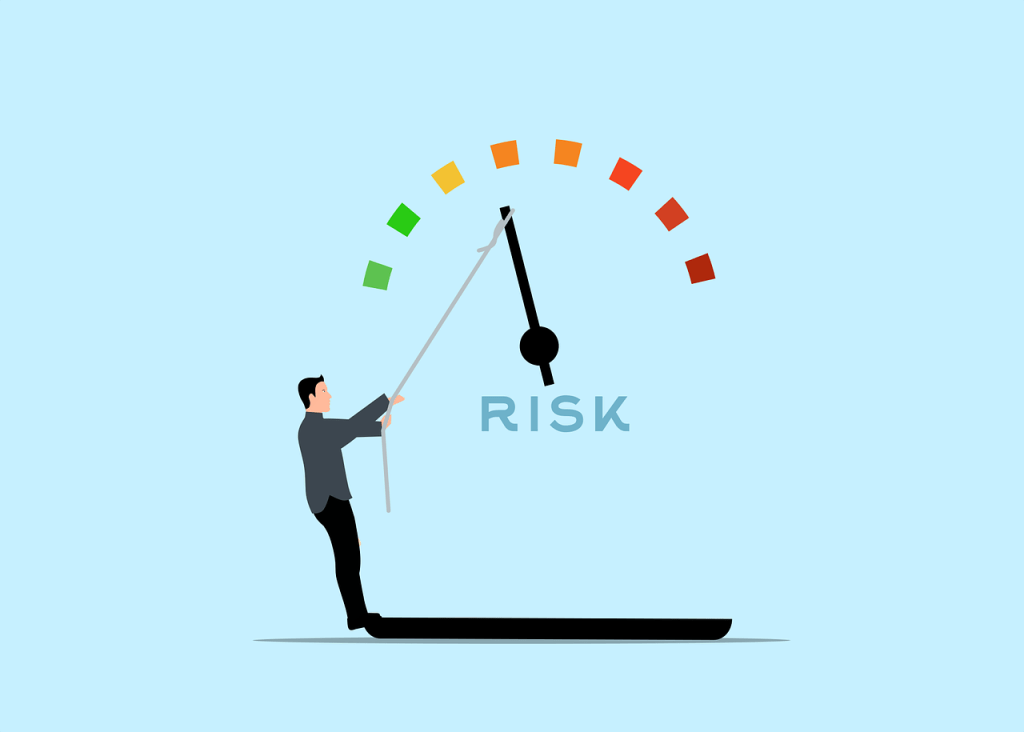
Risks can lead to positive outcomes like engaged employees, brand awareness, enhanced brand image, revenue growth, higher stock prices and so on. Adena Friedman’s quote rings true simply because starting a business is a risk from Day 1. It is unlikely anyone can predict an outcome with 100% confidence. Success is never guaranteed, but the ability to distinguish between a worthwhile risk and an unnecessary one is crucial for any business leader.

What are ‘Unnecessary Risks’?

Unnecessary, foolish and/or unethical risks jeopardize the integrity and sustainability of a business.

  • Fudging numbers to meet standards.
  • Using misleading information in ads.
  • Making rash decisions based on hearsay alone.
  • Stealing intellectual property.

These actions make the business vulnerable and can have severe repercussions. For example, “shrinkflation” is a hot topic these days. Companies keep prices the same by reducing product amounts, which many consumers find deceptive. Raising prices is not welcome news but it does allow for transparency, making the change obvious to shoppers.

Making Informed Decisions

To make smart decisions and avoid unnecessary risks, follow these steps:

  1. Collect data: Gather all relevant information, both qualitative and quantitative. Seek input from employees and other stakeholders for diverse perspectives.
  2. Evaluate assumptions: Use past experience to understand the risk and critically evaluate your assumptions to ensure they make sense.
  3. Weigh risks vs. rewards: Assess if potential benefits outweigh the risks. Can your business handle the worst-case scenario?
  4. Evaluate potential consequences: If the consequences of failure are minor and the potential gains are significant, just do it. For risks with severe potential fallout, take time to explore all options.
  5. Set success metrics: Define clear metrics to track the success or failure of the risk. Check these metrics regularly.
  6. Plan for Contingencies: Be ready to pivot if necessary. Have a plan to mitigate any negative outcomes.

Consequences of Neglecting Risk Evaluation

Failing to evaluate potential risks can lead to serious consequences:

  • Inability to meet your business goals.
  • Damage to your brand reputation.
  • High employee turnover.
  • Strained relationships with partners.
  • Lost contracts and customers.
  • Decreased revenue.
  • In extreme cases, legal action and/or bankruptcy.

Today’s fortune cookie wisdom reminds us to carefully evaluate risks. By making informed decisions and considering the potential consequences, you can navigate risk-taking and steer your business towards sustainable success.

  • Have you taken a risk resulting in a great outcome?
  • A not-so-great outcome?
  • What lead you to take that risk?
  • Was it worth it?

A version of this post was published on LinkedIn, 2024-07-26.
For details on the FCF (Fortune Cookie Fridays) theme go to:
https://rollingsandsconsulting.ca/2024/07/12/introducing-fortune-cookie-fridays/

#WednesdayWisdom Adding Value B2B B2C Best Practices Branding Campaigns Change management Collaboration Common Sense Content Creation Covid-19 Employees Excellence Feedback Fortune Cookie Friday Fundamentals Health Job Search Life goals Management Motivation Perfectionism Planning Priorities Procurement Project Management Resources Success Video Production Wednesday wisdom Work-life balance

© 2021-2025 Tracey Copeland, Rolling Sands Consulting.